
Moving Into a Newly Built Charlotte Home? Here's How to Tackle Construction Dust Before You Unpack
That brand-new smell in a Charlotte new build often means drywall dust, silica, and sawdust are hiding on every surface. This guide walks you through what to tackle, in what order, before you bring a single box inside.
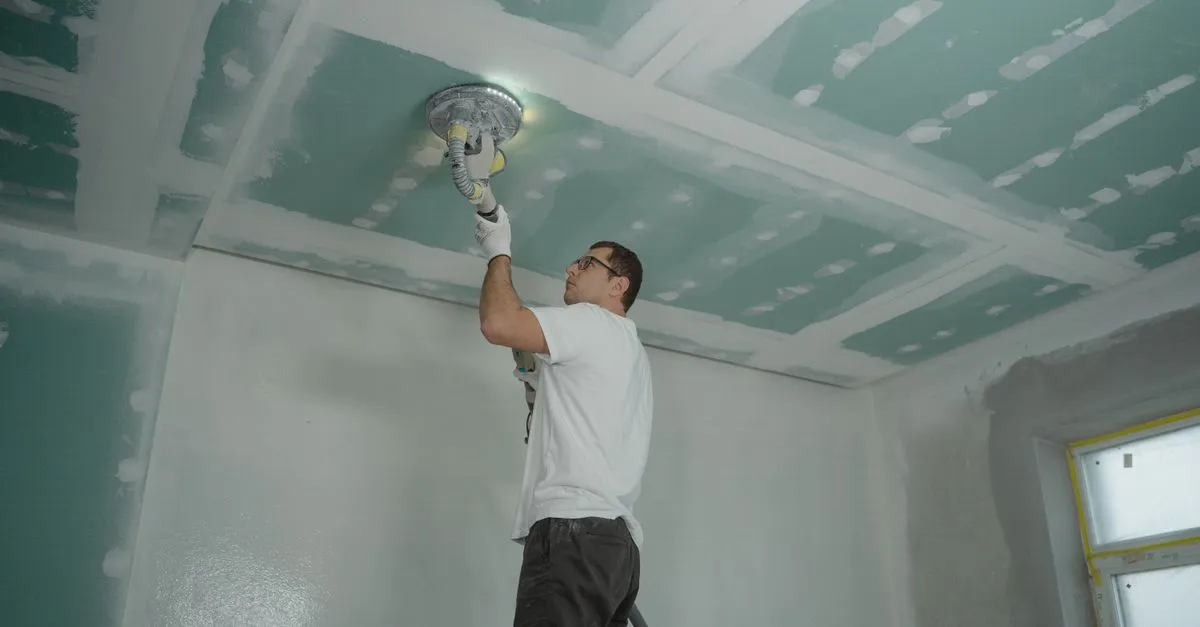
Why New Builds in Charlotte's Suburbs Are Especially Dusty
If you just closed on a home in Huntersville, Waxhaw, Harrisburg, or one of the dozens of other fast-growing communities ringing Charlotte, congratulations. You also just inherited a home full of construction residue that no builder cleaning crew fully removes.
Charlotte's housing boom has kept crews moving fast. Subdivisions like Bryton in Huntersville, Cresswind in Marvin, and the newer sections of Berewick in southwest Charlotte are turning over homes on tight schedules. That pace means the standard "builder clean" included in your contract typically covers sweeping floors, wiping countertops once, and pulling blue tape off windows. It does not mean the home is genuinely clean.
What gets left behind: fine drywall dust that has settled into cabinet interiors, window sills, and bathroom grout lines; caulk smears on tile and tub surrounds; paint overspray on switch plates and door hardware; adhesive residue from protective film on appliances; and a gritty film on every hard floor surface. In the Piedmont climate, where humidity swings from the 30s in winter to the 80s in summer, that dust clings and then absorbs moisture, turning into a paste-like layer that is harder to remove the longer you wait.
Start Before the Furniture Arrives
The single most important move-in cleaning rule: do this work before any furniture, boxes, or rugs enter the home. Once your sectional is in the living room, you cannot properly clean the floors beneath it, and dragging boxes across a gritty hardwood floor will scratch the finish on day one.
Schedule your move-in clean for at least one full day before your moving truck arrives. If your builder gave you a walkthrough date that is the same day as your move, push the move by 24 hours. It is worth the rescheduling fee.
A Room-by-Room Cleaning Order That Actually Works
Construction dust obeys gravity. If you clean floors before you clean upper surfaces, you will redo the floors. Always work top to bottom, back to front, dry before wet.
1. Bedrooms and Closets First
Start in bedrooms because they are typically sealed off longer during construction and accumulate more settled dust. Open every closet shelf and wipe it down with a dry microfiber cloth before using any wet solution. Shelving in builder-grade closets often has a light coating of sawdust from the carpenter's final cuts made right there in the room. Follow with a damp microfiber wipe using a pH-neutral cleaner.
Wipe every window sill, window frame, and the tracks the windows slide in. In a new Charlotte home, these tracks are almost always packed with drywall dust and insulation fragments. A dry microfiber first, then a slightly damp cloth, then dry again to prevent moisture sitting in the track and eventually warping it.
2. Bathrooms
Grout lines in new tile work are a trap for drywall dust. Before your first shower ever runs, scrub grout lines with a stiff brush and a diluted all-purpose cleaner. Pay close attention to the tub or shower surround, the base of the toilet, and any recessed niches in the tile. Caulk smears often appear at the junction of the tub and tile wall. A plastic scraper (never metal on a new surface) removes dried caulk without scratching.
Wipe the inside of every bathroom cabinet and drawer. Builders often store hardware and small parts in these spaces and leave debris behind.
3. Kitchen
The kitchen demands the most time in a new build. Run a dry cloth through every cabinet interior, paying special attention to the corners where dust pools. Wipe the inside of the refrigerator and dishwasher, which frequently have installation debris inside. Check that the protective film has been removed from the inside of the dishwasher door, the oven interior, and the drawer beneath the oven. These films, if left, can melt or burn on first use.
Clean the range hood filter if one is installed. New filters often have a light manufacturing oil on them. Rinse with warm soapy water, let it dry completely, and reinstall.
For stone countertops, which are standard in most Charlotte new builds above the entry level, use only a pH-neutral stone cleaner. Acidic cleaners, even once, can etch quartz and granite. Wipe in the direction of the veining to avoid pulling grit across the surface.
4. Common Areas and Stairways
Wipe all baseboards throughout the home. This step gets skipped constantly and it matters. Baseboards collect the heaviest concentration of drywall dust and are right at floor level, meaning that dust gets redistributed every time someone walks past. A damp microfiber cloth on baseboards takes time but makes a visible difference immediately.
If your new home has LVP (luxury vinyl plank) flooring, which is the dominant choice in Charlotte new builds right now, clean it with a microfiber mop and a cleaner specifically formulated for LVP. Avoid steam mops on LVP regardless of what anyone tells you. The heat and moisture work against the adhesive over time.
Hardwood floors should be dry-mopped thoroughly before any wet cleaning. In a new build, sand and grit on hardwood acts like sandpaper under a broom or mop. Dry microfiber passes first, then a lightly dampened hardwood-specific cleaner.
The Stuff Most Homeowners Miss
- Light switch plates and outlet covers: Paint overspray is almost universal here. A damp cloth removes it if the paint is still relatively fresh. If it has hardened, a plastic scraper works carefully.
- Door hardware: Builder crews wipe down the faces of door handles but rarely clean the back side or the strike plates on the door frames. These collect adhesive residue and dried joint compound.
- Cabinet hardware: The insides of cabinet pull holes often have dried caulk or paint from installation. A toothpick or cotton swab cleans these out before the gunk sets permanently.
- Garage floor: Concrete sealers and construction adhesive drips are common. A stiff brush with a concrete degreaser handles most of it. Do this before you park in the garage for the first time.
- Window glass: Construction stickers, paint specks, and silicone smears appear on almost every window. A razor blade tool designed for glass removes dried material without scratching when held at a flat angle with plenty of glass cleaner as lubrication.
When to Hire Out vs. DIY
If your new home is under 1,800 square feet and a single story, a motivated homeowner with the right supplies can complete a thorough move-in clean in one long day. Add a second story and it becomes a two-day job. Add three or more bathrooms, an open-concept great room with tall windows, or a three-car garage with a workshop area and you are looking at a project that is genuinely difficult to complete before your moving truck arrives.
Homeowners buying in larger Huntersville communities such as Birkdale Village area and the Skybrook neighborhoods often find the new builds there run 2,500 to 3,500 square feet, sometimes more. At that size, doing this yourself while simultaneously managing a move across Charlotte or relocating from out of state is a significant undertaking.
Professional move-in cleaning from a service that specializes in post-construction work makes sense in that scenario. A deep cleaning for a new Huntersville home covers all the surfaces described above with the right tools and products, done in a fraction of the time, so you arrive to a home that is genuinely ready to live in rather than one that still needs hours of work after the movers leave.
Setting Up for Ongoing Cleanliness After Move-In
Here is something new homeowners often do not anticipate: the first three to six months in a newly built home continue to generate dust. Drywall and concrete cure and off-gas fine particles. Grout dries and releases dust. Wood trim and cabinetry settle and shed sawdust from cuts. Your HVAC system, running for the first time with all that construction residue in the ductwork, will distribute particulate throughout the home in the early weeks.
Plan to do a lighter but thorough cleaning pass at the four-week mark and again at the three-month mark. This is exactly the type of work that recurring cleaning service in Huntersville handles well, maintaining the surfaces you cleaned thoroughly at move-in and catching the ongoing dust before it builds back up.
Recurring clients typically save 30 to 50 percent compared to one-time pricing, which makes scheduling maintenance cleans after a move-in deep clean a financially sensible choice, not just a convenience.
Supplies to Have on Hand
- Microfiber cloths in quantity (plan on at least 20 for a full new build)
- Microfiber flat mop with washable pads
- pH-neutral all-purpose cleaner
- pH-neutral stone cleaner for any granite, quartz, or marble
- LVP-specific floor cleaner if applicable
- Hardwood floor cleaner if applicable
- Plastic scraper (non-metal)
- Razor blade glass tool with plenty of glass cleaner
- Stiff-bristle grout brush
- Cotton swabs and toothpicks for tight hardware areas
- Concrete degreaser for the garage
A Note on Charlotte's Climate and Timing
If you are closing in the summer months, Charlotte's humidity makes wet cleaning surfaces dry more slowly. Open windows and run the HVAC to keep air moving while you clean. If you are moving in during a dry winter stretch, static electricity will make fine drywall dust cling to everything, especially light fixtures and switch plates. A slightly damp microfiber cuts through this better than a dry cloth.
Many Charlotte families close on new builds in the spring, when the Piedmont weather is cooperative, which is a good time to clean with windows open and natural airflow helping surfaces dry quickly. Just be aware that spring pollen in Charlotte is significant. Keep windows closed if pollen counts are high, or you will be cleaning pollen off surfaces you just cleaned.
The Bottom Line
A builder clean is not a move-in clean. In Charlotte's fast-paced new construction market, the homes being delivered in communities from Mooresville down to Fort Mill are built well but turned over quickly. Doing a proper move-in clean yourself, or hiring a team that knows what post-construction residue actually looks like, is the difference between a home that feels new and one that feels truly ready for your family.
Frequently Asked Questions
Ready for a Cleaner Home?
Tell us about your home and we'll recommend the right service. Free quote in 60 seconds.
You're All Set!
We'll call you within 5 minutes.